Commercial Waste in Rotherhithe
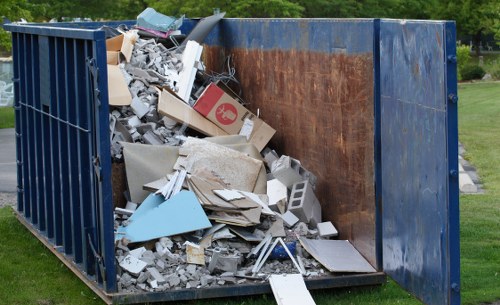
Commercial waste in Rotherhithe needs a practical service that keeps business premises clear, organised and ready for day-to-day use. We handle the removal of mixed commercial refuse from offices, retail units, hospitality settings and other working premises, with a focus on straightforward collection and responsible disposal. The service is built around dependable uplift of materials that businesses no longer need, so waste does not have to build up around storage rooms, back areas or access routes.
Our work covers a broad range of non-hazardous commercial waste streams, including office furniture, general rubbish, broken items and bulkier contents that are awkward to move without help. Where suitable, items may be separated for reuse, recycling or disposal in line with the nature of the load. If you need a clear starting point, you can request a quotation and compare the options for your site, access needs and type of material.
We aim to keep the process clear from the first enquiry through to collection day. That means defining what is to be removed, noting any access restrictions, and agreeing the likely scope before work begins. For businesses that want a simple route to getting things shifted, our commercial waste removal service offers a direct way to deal with accumulated materials without interrupting the rest of the working week.
Business waste removal for active premises
Business waste removal is often needed when surplus material starts to interfere with storage, walkways or the everyday running of a premises. We collect mixed business waste from locations such as offices, shops, shared work areas and small commercial units, handling items that are too much for ordinary internal disposal arrangements. The aim is to remove clutter in a way that suits the rhythm of the building, rather than forcing the site to stop work for longer than necessary.
This type of collection can include boxed rubbish, redundant office contents, packaging, shelving, fittings and general non-hazardous debris. It is useful when a business has completed a clear-out, moved equipment, changed layout or simply accumulated more waste than its usual bins can handle. If you are deciding what to book, a quotation is easiest when the load is described plainly and the access route is understood in advance.
What the collection can support
The service can be adapted to the sort of waste your premises generates, provided the material is suitable for standard commercial clearance. In practice, that means a collection can deal with mixed items rather than requiring each category to be arranged separately. A sensible approach is to group items that are definitely leaving the site and keep anything you may still need apart from the load. That makes the removal process more efficient and helps ensure the right method is used for each item.
Office clearance and workplace decluttering

Office clearance is a useful service when desks, storage areas and meeting rooms contain outgrown or broken items that are no longer part of the working environment. We remove office furniture, filing units, computer-related waste that is suitable for collection, and the mixed contents that often build up during a reconfiguration. This can help a workplace recover usable floor area and make the remaining layout easier to manage.
Clearance work in an office setting often needs a considered approach because not all items have the same destination. Some can be reused, some may be separated for recycling, and some must be disposed of as waste. A good collection plan respects that difference and avoids treating the whole load as a single category. If your premises contains a combination of desks, chairs, archive material and general rubbish, it is best to describe the mix as accurately as possible before arranging collection.
Useful office items to identify before booking include furniture, storage, printer consumables, packaging, archive boxes and any awkward bulky items blocking access. Where access is shared or tight, letting us know about stairs, corridors, loading points or lift use can help the collection run more smoothly. For many businesses, that simple preparation is enough to make the quotation process more accurate and the removal itself more straightforward.
Furniture disposal and bulky item removal
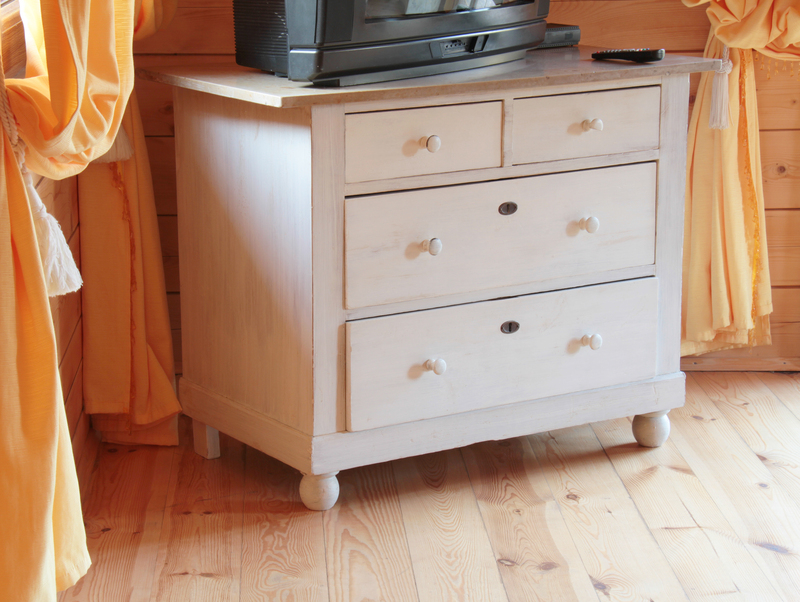
Furniture disposal is often required when commercial premises replace worn items, close a department or reorganise the workspace. We collect bulky furniture such as desks, chairs, cabinets, tables and other items that are no longer useful where they stand. The service is intended to take away awkward pieces without leaving them to obstruct access or occupy valuable room while a site tries to keep operating.
Not every bulky item is handled in the same way, so it helps to think about condition, material and quantity. Some furniture may be suitable for reuse or component recovery, while other items are best directed to disposal routes that match their condition. If you are comparing ways to clear a room, a single coordinated collection is often easier than arranging separate pickups for each type of item. You can also ask for the likely approach to sorting once the load has been described.
Furniture clearance for changed layouts
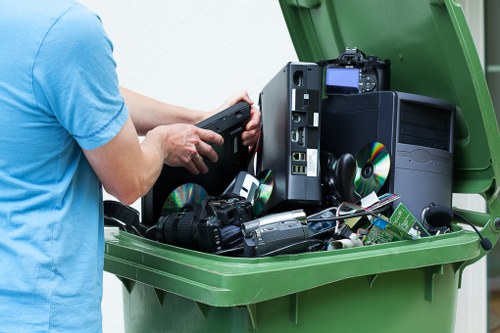
Furniture clearance is helpful when a workplace changes layout, downsizes a room or replaces several items at once. We remove furniture from commercial premises in a way that keeps the clearance process organised, especially where larger pieces need carrying through shared areas or down stairs. The service is suited to situations where one or two items are not enough to justify separate attention, but the accumulation is too substantial to leave in place.
For businesses, the main decision is often whether the clearance should focus only on specific items or include everything being taken out of service. It is usually better to list the major pieces first and then mention smaller extras such as stands, drawers, side units or loose fittings. That allows the collection to be planned around the actual load rather than around assumptions. If you are preparing a quotation request, keeping the description honest and simple is usually the most efficient route.
When furniture is part of a wider clear-out, it can be sensible to group it with other safe, non-hazardous contents already marked for removal. This avoids leaving behind partial loads that need a second visit. The result is a neater handover of the area and a more settled finish for staff who need to continue using the building after the collection has gone.
Builders waste clearance for commercial refurbishments
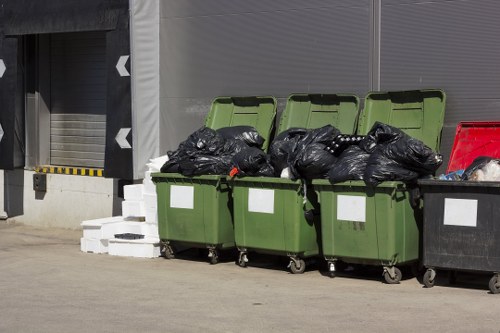
Builders waste clearance is relevant to commercial properties undergoing alterations, refits or internal improvement work. We remove suitable construction and refurbishment waste generated by strip-outs and light building activity, including general rubble, timber offcuts, packaging and broken materials. The purpose is to clear away debris that would otherwise interfere with the next stage of work or leave the premises untidy once the task is complete.
Commercial refurbishment waste can vary significantly from one job to the next. Some loads are dominated by packaging and protective materials, while others include mixed pieces from dismantled fixtures or fittings. Because of that, it is worth separating any materials that need special handling from the ordinary waste stream. If you know the approximate contents and amount, you are in a better position to request a quotation that reflects the job more closely.
Before collection, it helps to keep walkways open and group the waste in one accessible place where possible. That does not require elaborate preparation; it simply makes it easier to identify what is leaving the premises and what is staying. The clearer the load, the easier it is to match the collection method to the actual materials involved.
Office and business waste planning
Planning a commercial waste collection is mainly about matching the service to the load and the premises. For some businesses, that means a one-off clearance after a change in layout; for others, it is a periodic removal of accumulated contents. In either case, the more accurately the material is described, the easier it is to arrange an appropriate collection. A clear description of the items, their quantity and where they are stored is often enough to begin.
There are a few practical details that make a real difference without becoming complicated. Access details matter, especially where loading points are shared or where items must pass through narrow routes. It also helps to note whether the waste is loose, boxed, stacked or already gathered in one area. If you want to make the next step easier, prepare a brief list of the main items and any unusual features of the site. That keeps the process focused on the actual work rather than on guesswork.
The same approach works well whether the collection is being arranged for a small workplace or a larger commercial setting. You do not need to over-explain the situation; concise details are usually enough for a useful response. Once the load and the access are understood, the removal itself can be planned around the shape of the premises and the type of waste waiting there.
About Rotherhithe
Rotherhithe is a riverside district in south-east London, on the south bank of the Thames and now part of the London Borough of Southwark. Its identity has long been shaped by the river, docks and transport connections, and traces of that history remain visible in the local street pattern and waterside developments. The area sits beside Bermondsey, Canada Water and Deptford across the wider inner London landscape, yet it retains a distinct character formed by former dockland, residential rebuilding and preserved historic places. Much of the riverside was transformed during the twentieth century as traditional dock activity declined, but the setting still reflects its maritime past through place names, warehouse conversions and stretches of waterfront path. The Brunel Museum recalls the Thames Tunnel connection and the engineering history associated with Marc Isambard Brunel and Isambard Kingdom Brunel, while St Mary’s Church stands as one of the area’s best-known historic buildings. Nearby, the Mayflower connection is remembered in local heritage, linking the district to the voyage of the ship that sailed from this part of London in the seventeenth century. Contemporary Rotherhithe also includes housing estates, local shops and open waterside spaces, along with access to the wider Surrey Quays and Canada Water regeneration areas. The combination of old and new gives the neighbourhood a layered feel, where industrial memory, conservation interest and modern residential life sit close together along the river edge and inland streets.
Recycling, sorting and responsible disposal
Commercial waste removal is not only about taking items away; it is also about choosing the right destination for the material. Where loads can be separated, that helps support reuse and recycling rather than sending everything through the same route. We work with mixed commercial waste in a way that allows suitable items to be directed sensibly, which is especially useful when a premises has a combination of furniture, packaging and general refuse from a single clear-out.
This becomes important when the load contains different kinds of item that should not be treated identically. Clean cardboard, metal fittings, office furniture and general rubbish may each follow a different path once removed. The best result usually comes from a load that has been grouped with some thought, even if it has not been sorted into perfect categories. If you want the removal to be efficient, it is worth identifying obvious reusable or recyclable pieces before the collection takes place.
How to describe a load clearly
A useful description does not need to be long. Quantity, item type, whether the waste is mixed or separated, and how easy it is to reach the collection point are usually the key points. If there are items that should stay on site, keep them apart clearly. That basic level of organisation helps avoid confusion and makes the work easier to carry out without unnecessary back and forth.
Quote requests and collection details
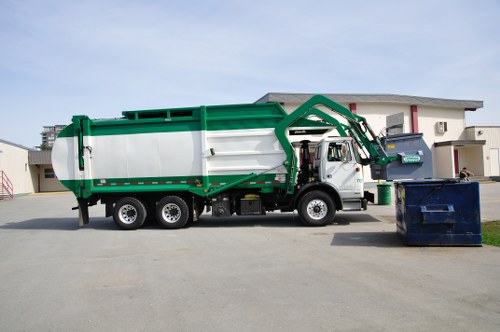
When you request a quotation for commercial waste in Rotherhithe, the most helpful information is a simple picture of the waste and where it is located. You do not need to produce a long explanation, but it does help to mention the item type, approximate volume and any access details that could affect removal. If the waste is in a basement, upper floor or shared space, that is worth saying early so the collection can be planned sensibly.
There are a few details that are especially useful because they help keep the process accurate. If you can, note whether the load includes only general commercial waste or whether it also contains bulky furniture, refurbishment debris or office contents. It also helps to know whether the items are already gathered together or still spread across several rooms. Keep the request concise, then ask for a quotation once the main facts are clear.
Pricing and quotes can be explored alongside the service pages if you want to understand the available options before you book. For a direct start, make sure your enquiry states what needs removing and how the site is laid out. That gives us the right basis to respond clearly and helps you arrange the collection with less back-and-forth.
Further commercial services
Some businesses only need a single collection, while others need a wider clearance that reaches several parts of the premises. Depending on the kind of material involved, related services such as general waste removal, office clearance and builders waste clearance may offer a closer fit than a single broad label. Choosing the right service matters because it helps match the removal method to the actual items, rather than forcing everything into one description.
When a site includes bulky contents, old fixtures or items from a refurbishment, linked service pages can help you narrow down the best option. In some cases, furniture clearance or furniture disposal is the most relevant route; in others, home clearance or flat clearance may cover the nature of the contents more closely. The aim is to choose a service that fits the material and the setting, so the removal can be organised without unnecessary complication.
If your waste includes items with specific handling needs, it is sensible to review the available categories before making a request. Fridge and appliance removal, mattress and sofa disposal, garage clearance and loft clearance may each be useful in the right circumstances. For a straightforward next step, use the plain details of your load to request a quotation and choose the most suitable collection route.